“I keep thinking I’ve been here before”
Joyer on Writing Songs, Staying Curious, and Trusting the Process
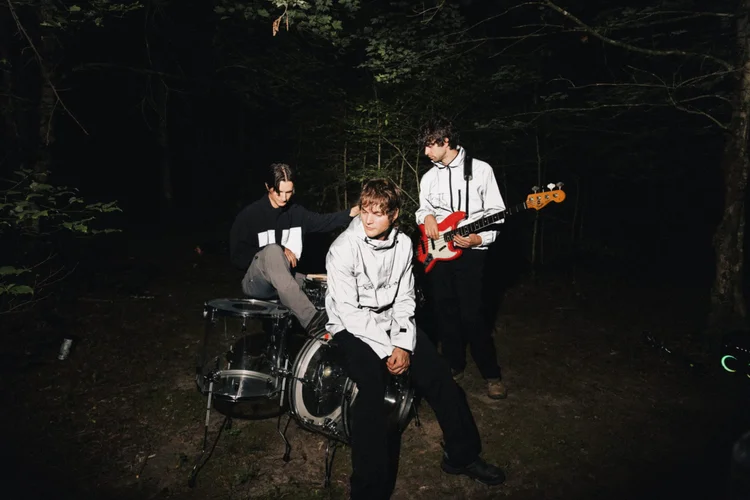
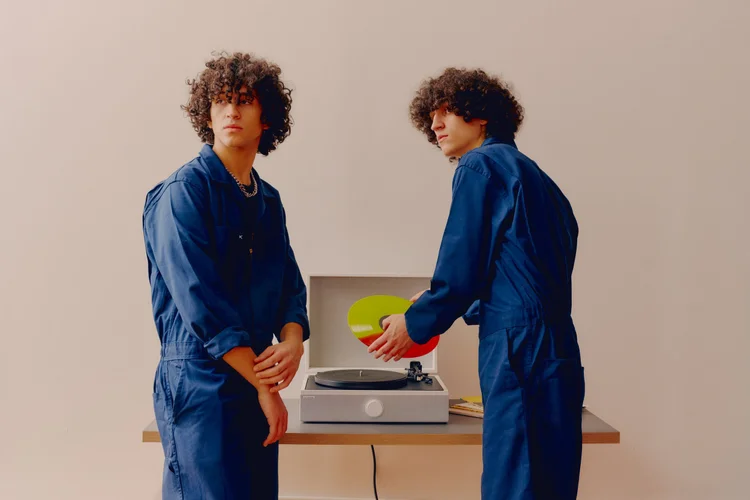
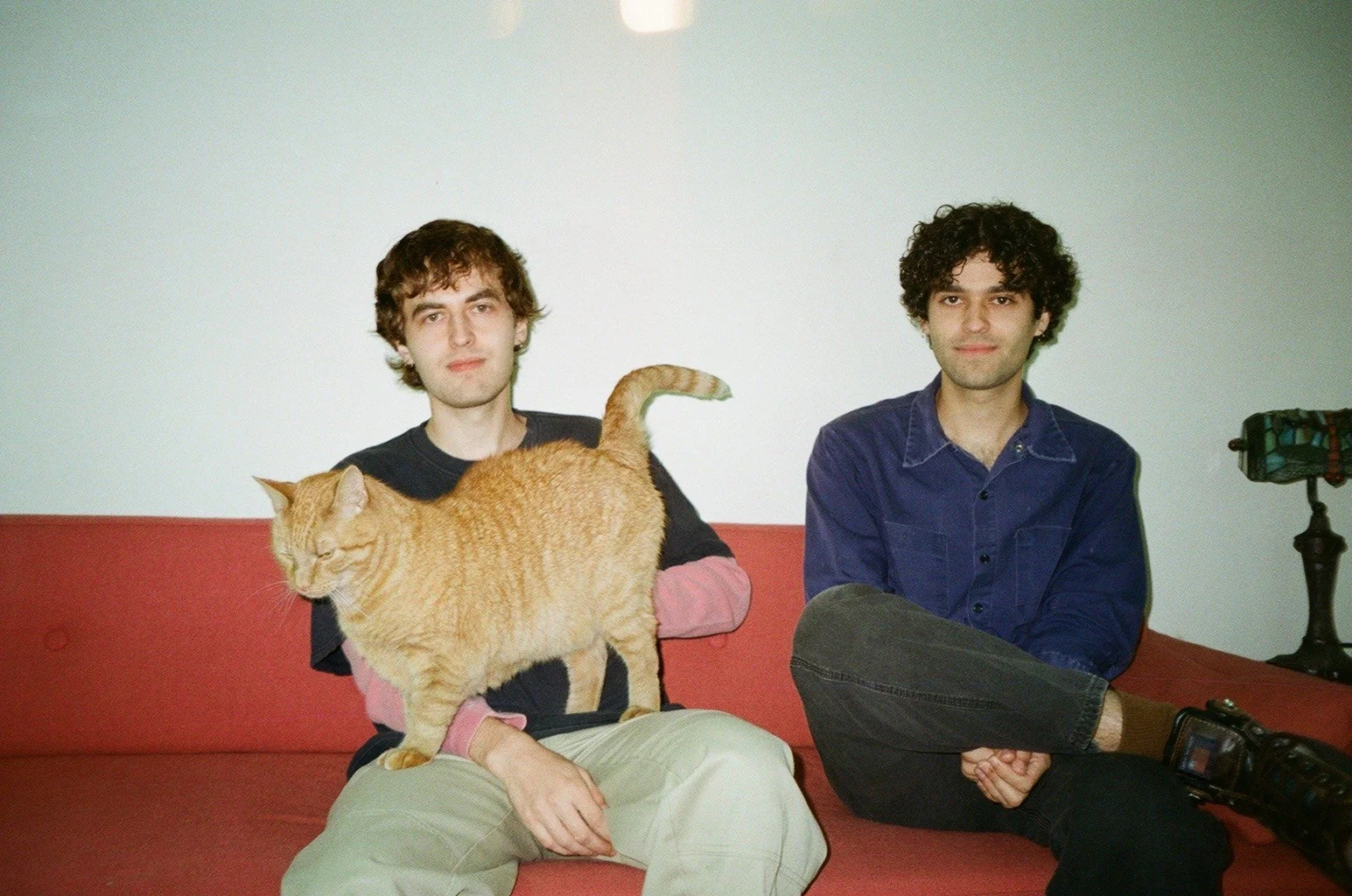
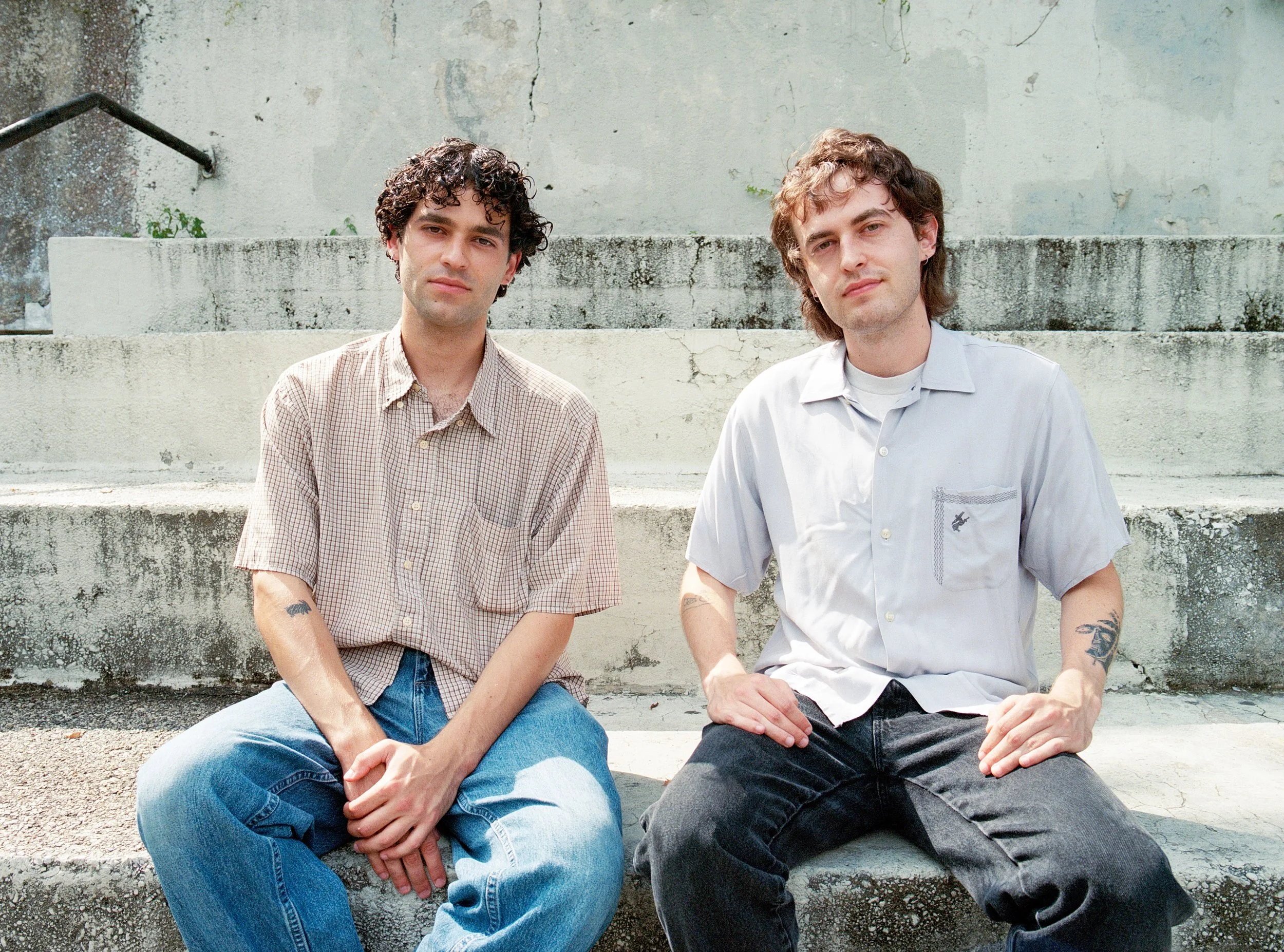
Joyer are New Jersey–born brothers Nick and Shane Sullivan, a duo whose path has been shaped less by grand ambition than by instinct and persistence. The project started when Nick stepped out from behind the drum kit to write songs of his own, at first just as a private outlet. An early self-titled demo quietly circulated on Bandcamp and began reaching listeners beyond their immediate circle.
Since then, Joyer’s catalog has grown steadily, shaped by changing cities, heavy touring schedules, and stretches of physical and emotional distance that ultimately sharpened their perspective rather than slowing them down.
Those experiences come through on On the Other End of the Line…, released late last year via Julia’s War Recordings and produced by Henry Stoehr of Slow Pulp. The record reflects transition, restlessness, and connection while still feeling grounded.
There are hints of the Beatles’ curiosity in the arrangements, along with the lyrical clarity of writers like David Berman and Warren Zevon. The songs favor patient builds, exploratory rhythms, and a warmth that comes from working closely with longtime friends and collaborators.
Milestones like seeing their music pressed to vinyl still mean something to the band — not as proof of arrival, but as a reminder of how far they’ve come while staying true to themselves. With new material already taking shape, Joyer remain focused on writing songs they believe in and letting the work speak for itself.
This conversation is part of our Nice To Meet You series, highlighting artists pushing things forward.
Nice to meet you! To start, we’d like to ask what was the process that led you to writing your first song?
I drummed in a few different bands in high school, but none of them really aligned with the music I liked. When those ended up fizzling out, I decided to start writing my own stuff so I could be part of a project I could really get into. I can’t really remember what the first song I wrote was, but I know it was one of the ones on the self-titled demo we put on Bandcamp, because that release was sort of us figuring out how to write and record.
Do you remember the first time you shared your music online — and what that moment meant to you?
Nick: Shane and I really only started doing Joyer as a thing for ourselves; we didn’t have any plans or expectations beyond putting it up on Bandcamp for our friends to hear. It ended up being shared around more than we expected, and people seemed to like it, which was unexpected but really cool. I’m not sure we would’ve made anything else or started playing shows if that didn’t happen — at least not under the Joyer name.
Was there a specific artist or moment that made you realize you wanted to make music?
Shane: I feel like this has become kind of a cliché answer, but it’s true for us. When our parents showed us the Beatles at an early age, it made both of us obsessed with music and want to learn how to play instruments. They showed us clips from The Ed Sullivan Show and all of the Beatles movies, which really wowed us. They’re still a massive influence on me and really motivate me to keep making songs.
What’s an album or song that still reminds you why you do this?
Nick: The White Album by the Beatles is a big one for me. The songwriting across all the Beatles’ records is always inspiring, but on that one they try so many different things and touch on all these different sounds—it really captures what I love about making music.
What’s a sound, sample, or texture you’re currently obsessed with?
Nick: Pretty much anything on Modes of Transportation Vol. 1 by Spookey Ruben. The production on that album is so cool, and he incorporates so many interesting sounds and samples—there’s one song where he uses the beeps from dialing a phone as part of the melody, which is really fun. Probably our favorite moment is when he puts this weird effect on his voice and makes this crazy noise on “It’s Not What You Do, It’s You.” Sometimes we’ll run the song back just to hear it.
What inspires your approach to writing lyrics?
Shane: All sorts of things, I would say—mainly just experiences in my life. It’s hard to really say specifically; lyric writing feels the most vulnerable for me, and it sounds kind of corny, but I feel like things just come out naturally when the time comes to sit down and write. There are definitely a lot of artists who inspire me lyrically. Obviously, David Berman is great—I love the way he uses humor while still often having something deeper to say. Warren Zevon is another big inspiration. He can be really funny, but he’s also great at telling a story in his songs.
What is something you’re proud of?
Nick: I think having our music on vinyl is really cool. That was always something that felt really unobtainable to me. Shane and I grew up collecting records, so I always associated vinyl with my favorite big bands—like a medium that felt really official. The fact that people have been down to make records for us and that I can physically hold a record with our songs on it is something I think about a lot.
What’s a recent performance, film, or book that left a mark on you?
Shane: I saw Neil Young play over the summer, and it was awesome. He’s a favorite of mine, and he sounded great. It made me think about how I hope to be playing music throughout my life and still getting as much joy out of it as it seemed like he was at his age.
What’s your greatest challenge right now — and how are you working through it?
Shane: I think the greatest challenge for me is always trying to write songs I’m happy with. For me, the lifetime of a song feels really short before I stop being excited about it. I’m always trying to write stuff that sounds good to me and chase that satisfying feeling, and that keeps pushing me to write more and more songs that hopefully top each other. I guess the only way to work through that is to keep writing. Hopefully that keeps me writing music forever.
What’s one piece of advice you’d give to artists just starting out?
Nick: Don’t think too hard about it—just start doing stuff. I think for a lot of people the biggest hurdle is writing that first song or playing that first show, but once that happens, things start rolling. It takes a while to figure out what you want to do as an artist, but you never find out until you start trying.
What’s the biggest goal you have for your music at this moment?
Nick: Probably just to keep writing stuff we’re excited about and trying new things in our music.
Follow Joyer on Instagram at @joyerband and check out the album On The Other End of the Line... here.